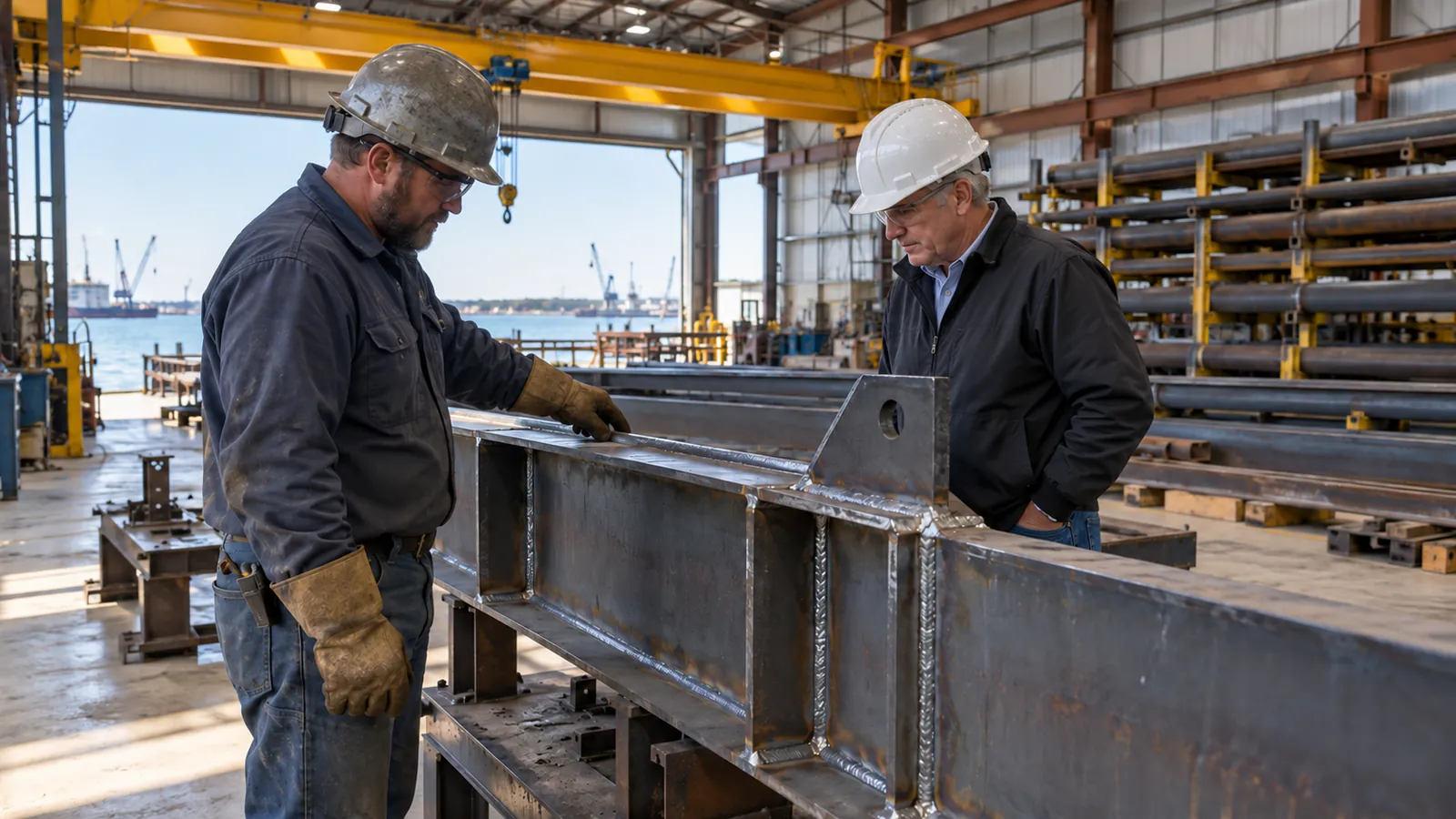
Who Usually Buys
- Larger marine contractors
- Companies that want more trades or more yard approvals under one roof.
- Industrial service groups
- Firms from other ports adding a presence near the Navy fleet.
- Key employees
- Foremen or managers who already run the jobs and know the yard staff.
The Yards Behind the Revenue
Most ship repair subcontractors earn their money through a few prime yards. Buyers want to see how many yards you work for, how long the relationships have lasted and whether your approvals would carry over to a new owner.
A company that does steady work for three yards is easier to sell than one tied to a single yard, even at the same revenue. If one yard is most of your business, read selling a company with one large customer.
Lumpy Work Needs Explaining
Revenue in this trade rises and falls with ship availabilities. A strong year can follow a thin one for reasons outside your control. Buyers usually average several years, so be ready to show what work is booked and which ships are scheduled.
Crews, Certifications and Safety
Certified welders, pipefitters and electricians are the hardest part to replace. Buyers look at turnover, overtime and whether supervisors would stay. A clean safety record and complete training files lower the risk a buyer sees.
Equipment and the Shop
Expect a buyer to walk the shop and ask about the age of cranes, trucks and welding gear. If you own the building, decide early whether it goes with the sale. Our guide on keeping your building explains both paths.
Numbers to Have Ready
- Revenue by yard for the past three to five years
- Backlog and the jobs you have bid
- Labor cost per hour billed
- Equipment list with ages and recent repairs
The VEC experience rating transfer matters in a trade with large crews. When you are ready, request a sale estimate.